
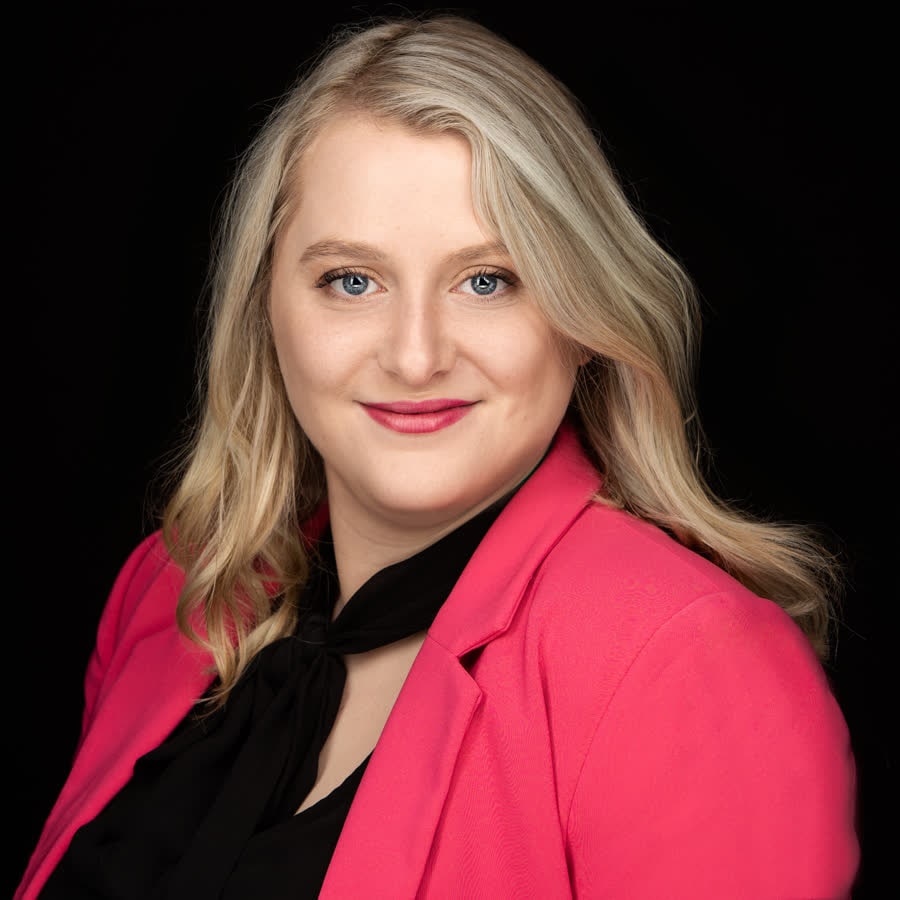
I hear it before almost every session. Usually in the first thirty seconds, usually with a nervous laugh attached.
"Fair warning, I'm terrible at this."
"I don't photograph well."
Here's my honest reply: almost nobody photographs well unattended. Most people's entire experience of being photographed is a phone held up at a wedding, a work event, or a licence counter. Being handed a camera-shaped silence and told to look natural is a hard thing to do well.
That's not a personality trait. It's a lack of direction, and direction is the job.
Why "just relax" never works
It's the worst instruction in photography, with "just be yourself" close behind.
Both hand you the entire problem in a moment when you have no feedback about whether it's working and no idea what to do with your hands. So you freeze. You hold a smile a beat too long and it sets. Someone shows you the photo, you wince, and the belief gets a little stronger.
Nobody in that scenario is bad at being photographed. They were left to guess.
What the hour looks like
The session runs about an hour. Not because a good frame takes an hour, but because the first ten minutes usually go on unclenching, and rushing that costs more than it saves.
We talk first. What the images are for, where they're going, whether it's LinkedIn or a firm's team page or a conference programme. That changes how we shoot more than you would think. It's also a few minutes of talking to a person instead of a lens.
You see the frames straight away. The camera is tethered to a screen, so within a couple of minutes you're not guessing what you look like. You're looking at it. This is the part that changes people, because the dread is nearly always about the unknown, and the unknown ends early.
We adjust in small mechanical steps. Chin forward slightly. Weight onto the back foot. Drop the shoulder nearest me. Instructions you can actually follow, which add up to something that looks effortless.
You choose at the end. Not me. And you only buy the ones you want.
The moment it turns
People don't relax when they're told to. They relax when they see one frame they like.
That's the trick, and it's why a screen matters more than any lens I own. One good frame proves it's possible. After that you stop enduring the session and start participating in it, and everything after is better than everything before.
I've had people arrive apologising for how bad they are at this and leave asking whether we can shoot a second look.
If you're genuinely dreading it
Book earlier in the day. Sessions run late morning to mid-afternoon, and if you're the sort to spend all day dreading a thing, don't give yourself all day.
Eat something first. More sessions have been rescued by a snack than by any lighting adjustment.
Come from something ordinary. A normal morning of work beats sitting at home psyching yourself up.
And tell me you're nervous. It's useful, it changes how I run the first ten minutes, and it's the single most common thing anyone says to me. You won't be the first today.
Why this matters more than the gear
Anyone can buy the equipment. What makes a headshot look like you on a good day, rather than a stranger caught mid-blink, is almost entirely what happens in the room.
You don't need to be photogenic. You don't need to have practised anything in a mirror. You need someone whose job is to notice your shoulders are up around your ears and fix it before you ever see the frame.
Bring the nerves. They're normal, and they're gone by the end.